
Manual Transmission Shifter Bushing: A Comprehensive Guide
This guide delves into the world of manual transmission shifter bushings, covering identification, replacement, costs, and preventative measures for optimal vehicle performance.
Understanding these components is crucial for maintaining a precise and enjoyable driving experience, avoiding costly transmission repairs down the road.
What is a Shifter Bushing?
Shifter bushings are small, often overlooked components vital for the smooth and accurate operation of a manual transmission. These bushings, typically made of plastic, brass, or urethane, are installed within the shifter assembly and around the shift cables.
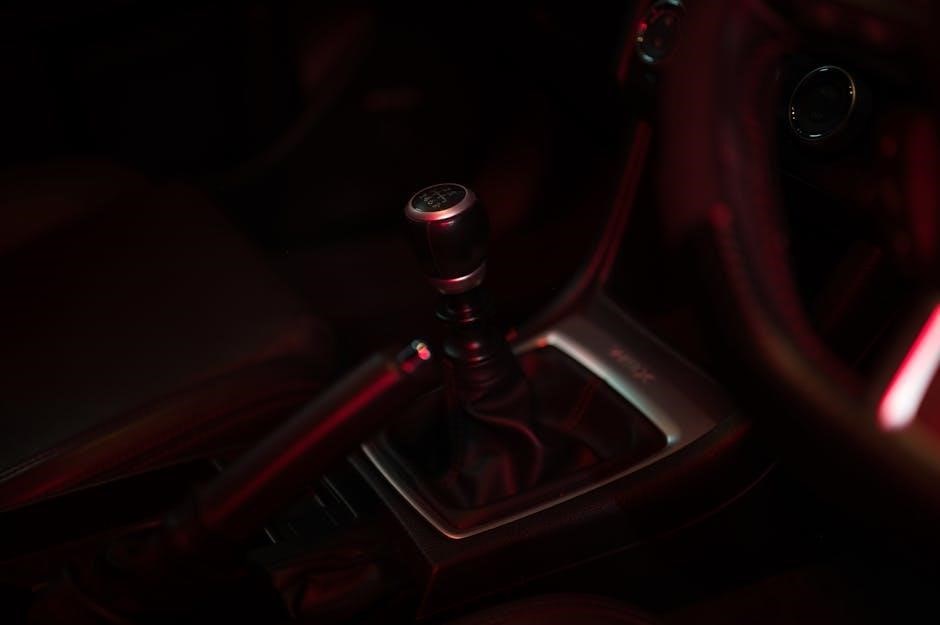
Their primary function is to reduce vibration, noise, and play within the shifting mechanism. They act as a cushion, absorbing impacts and ensuring precise gear engagement. Over time, these bushings can wear down, leading to a sloppy or imprecise shifting feel. Replacing worn bushings restores the original responsiveness and improves the overall driving experience, preventing further damage to the transmission system.
They are inexpensive parts that make a big difference!
The Role of Shifter Bushings in Transmission Function
Shifter bushings play a critical, yet subtle, role in the overall functionality of a manual transmission system. They don’t directly cause shifting, but they significantly impact the quality and precision of gear changes. By minimizing unwanted movement and vibration, bushings ensure the shift linkage accurately transmits the driver’s input to the transmission itself.
Without properly functioning bushings, the shifter can feel loose, vague, and difficult to control; This imprecision can lead to missed shifts, grinding gears, and increased wear on internal transmission components. Maintaining healthy bushings is therefore essential for preserving transmission health and enjoying a responsive, connected driving experience.
They are a key element in a smooth shift!
Types of Shifter Bushings
Shifter bushings aren’t one-size-fits-all; they come in various materials, each offering distinct characteristics. Plastic shifter bushings are the most common factory option, being inexpensive and quiet, but prone to wear and flex. Brass shifter bushings offer increased rigidity and durability, providing a more direct feel, though they can be noisier.
Urethane shifter bushings strike a balance, offering improved stiffness over plastic without the harshness of brass. Durometer (hardness) variations within urethane allow for customization of shift feel. Choosing the right material depends on driving style and desired level of performance enhancement.
Each material has its own advantages and disadvantages!
Plastic Shifter Bushings
Plastic shifter bushings are typically the original equipment (OE) choice for many vehicles, favored for their low cost and noise-dampening qualities. They effectively isolate vibrations, contributing to a quieter cabin experience. However, this softness is also their primary weakness.
Over time, plastic bushings degrade, becoming worn, cracked, and excessively pliable. This leads to vague shift feel, increased shifter play, and imprecise gear selection. While inexpensive to replace, plastic bushings often require more frequent attention compared to more durable alternatives. They are a good starting point for basic repairs but aren’t ideal for performance applications.
Expect a shorter lifespan with plastic bushings!
Brass Shifter Bushings
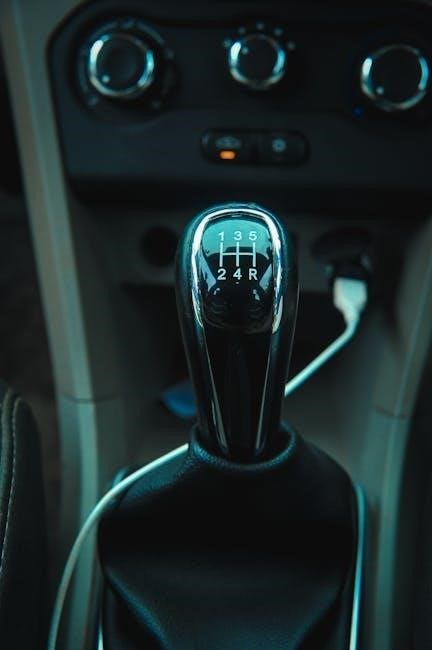
Brass shifter bushings represent a step up in durability from their plastic counterparts, offering increased rigidity and resistance to wear. They provide a more direct and precise shift feel, appealing to enthusiasts seeking improved control. However, brass isn’t without its drawbacks.
Brass bushings can be harder on other transmission components due to their lack of inherent damping properties. This can lead to increased noise and vibration transmission into the cabin. While more robust than plastic, brass can still wear over time, particularly in high-use applications. They strike a balance between cost, performance, and longevity, making them a popular upgrade.
Consider the trade-offs between feel and noise!
Urethane Shifter Bushings
Urethane shifter bushings are renowned for their exceptional durability and performance, often favored by those prioritizing a firm and precise shifting experience. Available in various durometers (hardness levels), they allow for customization of shift feel. Softer urethane offers some vibration damping, while harder durometers provide maximum responsiveness;
However, urethane bushings transmit more road noise and vibration into the cabin compared to rubber or plastic. Installation can sometimes require more force due to the material’s tight fit. Despite this, their longevity and ability to eliminate shifter slop make them a worthwhile investment for serious driving enthusiasts seeking a direct connection to the transmission.
Durometer selection is key for optimal results!
Common Symptoms of Worn Shifter Bushings
Worn shifter bushings manifest in several noticeable ways, impacting the driving experience and potentially indicating underlying transmission issues. Sluggish shifting is a primary symptom, where gear changes feel less crisp and require more effort. Imprecise gear selection follows, making it difficult to confidently engage the desired gear, leading to missed shifts.
Excessive shifter play, or looseness, is another telltale sign; the shifter may wobble or feel disconnected. These symptoms often worsen over time as the bushings degrade further. Ignoring these indicators can lead to increased stress on other transmission components, potentially resulting in more expensive repairs down the line.

Sluggish Shifting
Sluggish shifting, a key indicator of worn shifter bushings, presents as a noticeable delay or resistance when attempting to change gears. This isn’t a mechanical issue within the transmission itself, but rather a loss of positive connection. The shifter feels less direct, requiring more force and travel to select each gear.
This symptom arises because deteriorated bushings allow excessive movement, absorbing energy that should be transferred directly to the shift linkage. It’s often described as a “mushy” or imprecise feel. Addressing this promptly prevents further wear on the transmission and restores a responsive driving experience, improving overall control and enjoyment.
Imprecise Gear Selection
Imprecise gear selection, closely linked to worn shifter bushings, manifests as difficulty finding the desired gear; Drivers may experience missed shifts, accidentally selecting the wrong gear, or needing to double-clutch to ensure proper engagement. This isn’t a problem with the synchronizers within the transmission, but a lack of definitive input from the driver.
The excessive play created by failing bushings prevents the shifter from accurately aligning with the shift forks. This vagueness compromises control and can lead to frustrating driving situations. Restoring the bushings provides a firm, positive connection, ensuring accurate and confident gear changes.
Excessive Shifter Play
Excessive shifter play is a hallmark symptom of deteriorating shifter bushings, presenting as a loose or sloppy feeling in the gear lever. The shifter may move freely side-to-side or front-to-back beyond what is considered normal, creating a disconcerting sensation for the driver. This looseness isn’t just annoying; it directly impacts shifting precision.
Worn bushings allow unwanted movement within the shifter mechanism, diminishing the direct connection between the driver’s input and the transmission. Replacing these bushings restores a tight, responsive feel, eliminating the slop and providing a more connected and controlled driving experience.
Identifying the Location of Shifter Bushings
Locating shifter bushings is key to successful replacement, as they aren’t always immediately visible. Two primary locations house these crucial components: the shifter base, directly under the gear knob within the cabin, and the shift cables themselves, running from the shifter to the transmission.
Shifter base bushings support the lever’s movement, while shift cable bushings ensure smooth cable operation. Identifying worn bushings often requires visual inspection, feeling for play, or even a mechanic’s expertise. Accessing cable bushings can be more challenging, sometimes requiring cable removal.
Shifter Base Bushings
Shifter base bushings reside directly beneath the gear shift knob, supporting the shifter lever within the transmission tunnel. These bushings commonly experience wear, leading to increased shifter play and imprecise gear selection. They act as a pivot point, absorbing vibrations and ensuring smooth, deliberate movements.
Inspection involves lifting the surrounding trim to access the base, then visually checking for cracks, deformation, or excessive looseness. Replacement typically requires removing the shift knob and any associated linkage, allowing access to the old bushing for removal and installation of a new one.
Shift Cable Bushings
Shift cable bushings are located where the shift cables connect to the transmission, and also within the cable’s housing itself. These bushings facilitate smooth cable movement, translating the driver’s input into gear changes. Worn shift cable bushings contribute to sloppy shifting, difficulty engaging gears, and a general feeling of looseness.
Diagnosis often involves inspecting the cable ends for play or binding. A common repair, as noted in online forums, involves replacing just the bushing (around $20) rather than the entire cable. Access can be challenging, sometimes requiring removal of interior panels or even partial transmission disassembly.
DIY vs. Professional Replacement
Deciding between a DIY shifter bushing replacement and professional service depends on mechanical skill, tool availability, and time commitment. DIY routes can save significantly on labor costs, with bushing kits around $80, but require patience and potentially specialized tools. Online resources, like E46 Fanatics, suggest 1-1.5 hours of labor for experienced individuals.
However, seized bushings or damaged cables can complicate matters, potentially necessitating professional intervention. Mobile mechanics may offer quicker, though potentially pricier, solutions (around $60 for bushing replacement), while shops might recommend full cable replacement (around $200).
Tools Required for Shifter Bushing Replacement
Successful shifter bushing replacement necessitates a collection of both basic and potentially specialized tools. Essential hand tools include sockets, wrenches, screwdrivers, pliers, and potentially a hammer. Penetrating oil is crucial for loosening corroded components. However, removing stubborn bushings often demands specialized bushing removal tools, designed to grip and extract them without damaging surrounding parts.
Depending on the vehicle and bushing type, you might also need a drill for bushing removal (as some mobile mechanics employ) or a pick set for delicate maneuvering. Having a shop manual specific to your vehicle is highly recommended for torque specifications and detailed instructions.
Basic Hand Tools
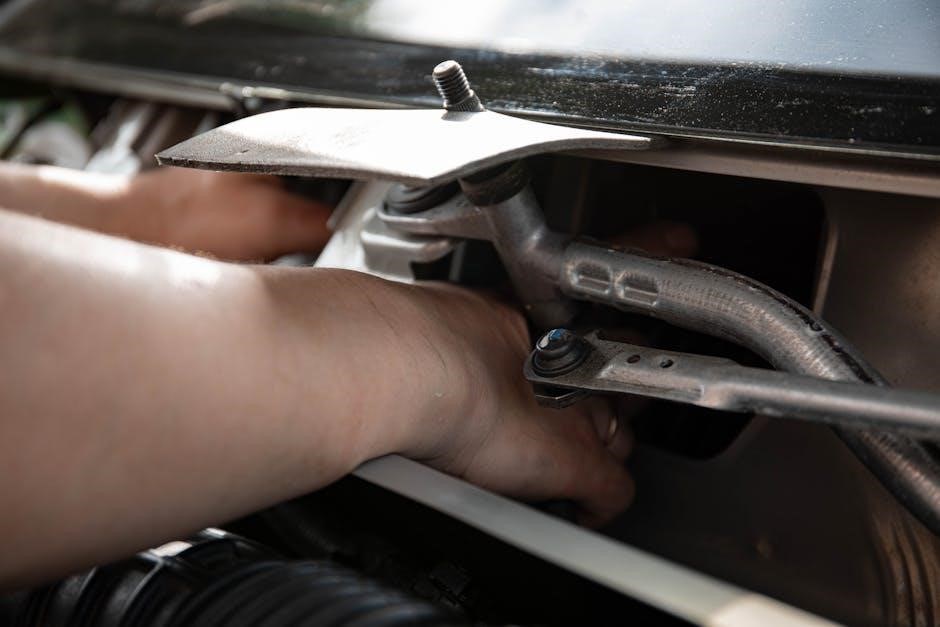
A solid foundation of basic hand tools is essential for tackling shifter bushing replacement. This includes a comprehensive socket set, covering both metric and standard sizes, alongside a matching set of wrenches. Various screwdrivers – flathead and Phillips head – are also necessary for disassembly. Pliers, both standard and needle-nose, prove invaluable for gripping and manipulating small parts.
Furthermore, a rubber mallet can be helpful for gently persuading components loose, while penetrating oil is crucial for combating corrosion. A good quality flashlight ensures visibility in tight spaces, and work gloves protect your hands throughout the process.
Specialized Tools (e.g., bushing removal tools)
While basic hand tools cover much of the job, certain specialized tools significantly ease shifter bushing replacement. Bushing removal tools, often consisting of a slide hammer and various sized collets, are designed to extract stubborn, pressed-in bushings without damaging surrounding components. These are particularly useful when dealing with corroded or seized bushings.
Additionally, a pick set can aid in carefully removing old bushing material. Depending on the vehicle, a Torx bit set might be required for specific fasteners. For some applications, a cable compression tool can be beneficial. Investing in these tools can save considerable time and frustration.
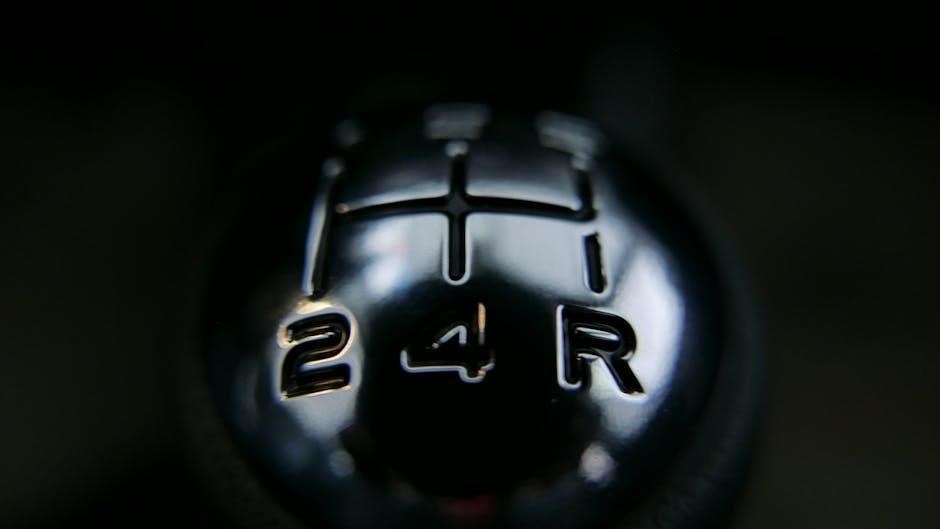
Step-by-Step Guide to Shifter Bushing Replacement (General)
Begin by disconnecting the negative battery terminal for safety. Locate the shifter bushings – often at the shifter base or on the shift cables. Remove any surrounding trim or components obstructing access. Carefully detach the shift linkage or cable from the transmission. Using appropriate tools, extract the old bushings, cleaning the surrounding area thoroughly.
Next, lubricate the new bushings with dielectric grease before pressing them into place. Reattach the shift linkage or cable, ensuring proper alignment. Reconnect the battery and test the shifter for smooth, precise operation. Double-check all connections before a test drive.
Cost of Shifter Bushing Replacement
The cost of shifter bushing replacement varies significantly. Parts alone, the bushings themselves, typically range from $20 to $80 for a complete rebuild kit, depending on the material and vehicle. Labor costs can fluctuate widely; a mobile mechanic might quote around $60, while a shop could charge up to $200 for the same service.
However, if the entire shift cable needs replacing instead of just the bushing, costs escalate considerably. Expect to pay more for diagnosis and potential complications like corrosion or seized components. DIY repairs can save on labor, but require tools and mechanical skill.
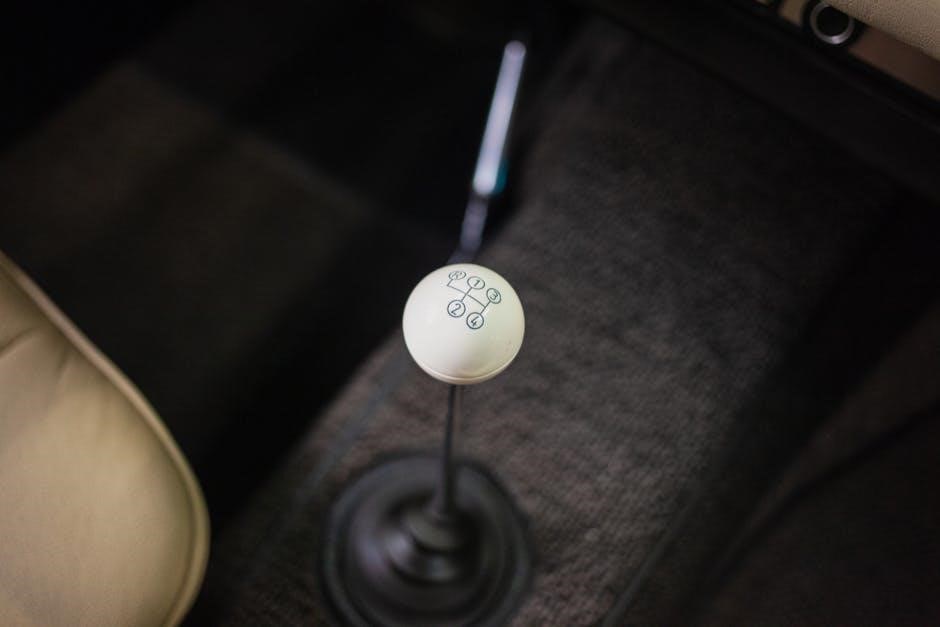
Parts Cost (Typical Price Ranges)
Shifter bushing parts costs are relatively affordable, making this a budget-friendly repair. Individual bushings can be found for as little as $20, particularly for common vehicles like the Dodge Dart. However, a comprehensive rebuild kit, including multiple bushings and clips, generally falls within the $80 range, suitable for models like BMW E46.
Summit Racing offers various shifter bushing and clip options, often with free shipping on orders over $109. Choosing urethane bushings may incur a slightly higher price compared to plastic alternatives, but offer enhanced durability and performance.
Labor Cost (Estimates)
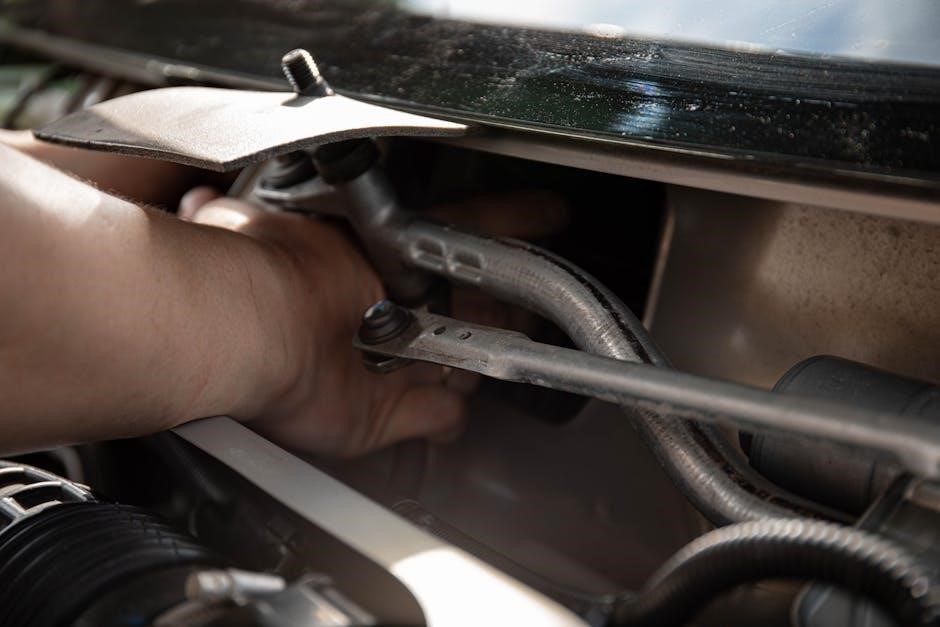
Labor costs for shifter bushing replacement can vary significantly depending on the mechanic and vehicle. A mobile mechanic might quote around $60 for a simple bushing replacement on a Nissan Pathfinder, focusing on drilling and replacing the bushing itself. However, a traditional shop may charge considerably more, potentially up to $200 for the same service.
For a complete rebuild kit installation, expect approximately 1 to 1.5 hours of labor. This translates to a total labor cost, including parts, that shouldn’t exceed $300. Always obtain multiple quotes to ensure fair pricing and discuss the scope of work beforehand.
Potential Issues During Replacement
Replacing shifter bushings isn’t always straightforward; several issues can arise. Corrosion is a common problem, potentially seizing the bushings in place, making removal difficult and requiring significant force or specialized tools. Damaged shift cables can also be discovered during the process, necessitating their replacement alongside the bushings, increasing both cost and labor time.
Furthermore, attempting removal without proper technique can damage the surrounding components. Be prepared for stubborn parts and the possibility of needing additional replacements beyond the initial bushing kit. Careful inspection is vital throughout the process.
Corrosion and Seized Bushings
A significant hurdle during replacement is dealing with corrosion. Over time, exposure to moisture and road elements causes rust and corrosion to build up around the shifter bushings and their housings. This corrosion effectively “welds” the bushing in place, making simple removal impossible. Seized bushings require substantial force to dislodge, increasing the risk of damaging the shift linkage or surrounding components.
Penetrating oil is crucial, applied repeatedly over several hours, or even days, before attempting removal. Specialized bushing removal tools may also be necessary to overcome the corrosion’s grip, preventing further damage.
Damaged Shift Cables
During shifter bushing replacement, careful inspection of the shift cables is paramount. Aggressive bushing removal, particularly when dealing with corrosion, can inadvertently damage the cable’s internal mechanisms or outer sheathing. A mobile mechanic might drill out the bushing, potentially harming the cable itself, leading to a full cable replacement.
Signs of damage include fraying, kinks, or restricted movement. If a cable exhibits any of these issues, replacing it alongside the bushings is highly recommended to ensure smooth and reliable shifting. Ignoring cable damage can lead to further complications and costly repairs.
Preventative Maintenance for Shifter Bushings
Regular inspection of shifter bushings is key to preventing premature wear and maintaining optimal shifting performance. While not a frequent maintenance item, incorporating a check during routine servicing – perhaps every 30,000 miles – can identify early signs of deterioration.
Look for cracking, excessive play, or deformation of the bushings. Addressing minor issues proactively is far more cost-effective than waiting for complete failure and potential damage to other components. Consider using a high-quality lubricant specifically designed for bushings to reduce friction and extend their lifespan, ensuring smooth gear changes for years to come.
Choosing the Right Shifter Bushing Material
Selecting the appropriate shifter bushing material significantly impacts shift feel and durability. Plastic bushings are the most affordable but wear quickly, leading to slop. Brass bushings offer increased durability but transmit more vibration. Urethane bushings strike a balance, providing enhanced firmness and longevity.
Consider your driving style and desired outcome. For daily driving, urethane is a solid choice. Performance enthusiasts often prefer firmer urethane or brass for a more direct connection. Kits often include a variety of materials, allowing customization. Prioritize quality materials from reputable brands for lasting performance.
Impact of Bushing Durometer on Shift Feel
Bushing durometer, measured on the Shore A scale, dictates the bushing’s firmness and directly influences shift feel. Lower durometer bushings (softer) absorb more vibration, resulting in a smoother, quieter ride, but potentially less precise shifts. Higher durometer bushings (firmer) offer a more direct, connected feel, enhancing shift accuracy, but transmitting more road noise and vibration.
Choosing the right durometer is a balance. Daily drivers often prefer moderate durometer, while performance applications benefit from higher durometer for responsiveness. Experimentation may be needed to find the ideal balance for your vehicle and driving preferences.
Shifter Bushing Kits: What’s Included?
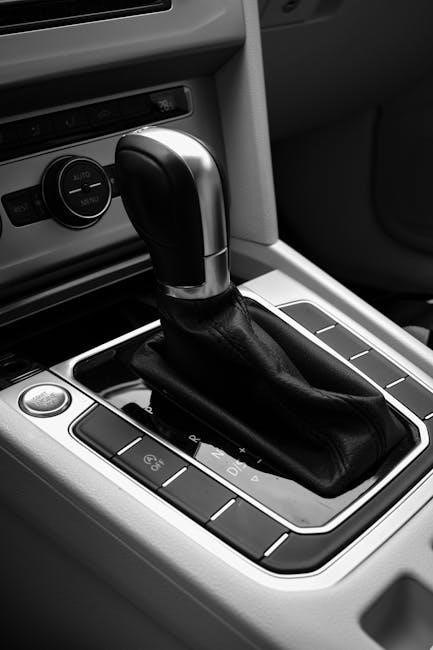
Shifter bushing kits typically contain a comprehensive set of replacement bushings, addressing common wear points within the shifter assembly and linkage. A standard kit often includes bushings for the shifter base, shift cables, and sometimes even the transmission itself. Many kits, like those available for E46 BMWs, can cost around $80 and provide all necessary components for a complete overhaul.
Some kits may also include clips or retainers to secure the bushings, ensuring a proper fit. Higher-end kits might feature bushings made from upgraded materials like urethane, offering improved durability and performance.
Specific Vehicle Considerations (Nissan Pathfinder Example)
For the 2006 Nissan Pathfinder, shifter bushing replacement often focuses on the cable bushing within the shifter assembly. Online discussions, such as those on Reddit’s r/MechanicAdvice, highlight significant price variations for this repair. A mobile mechanic might offer a quick fix – drilling and replacing the bushing – for around $60.
However, traditional shops may recommend replacing the entire shift cable, potentially costing $200 or more. Fortunately, a simple bushing replacement is often sufficient, with the bushing itself costing around $20, avoiding the need for a full cable replacement.
Where to Purchase Shifter Bushings (Summit Racing, etc.)
Shifter bushings and clips for manual transmissions are readily available from various automotive retailers. Summit Racing is a prominent source, frequently offering in-stock options and free shipping on orders exceeding $109. They provide a wide selection of bushings and clips to suit diverse vehicle applications.
Beyond Summit Racing, online marketplaces and specialized auto parts stores also carry these components. DIY enthusiasts can also find rebuild kits, containing all necessary parts for a comprehensive shifter restoration, often priced around $80. Careful research ensures compatibility with your specific vehicle model.
Resources and Forums for Further Information (Reddit r/MechanicAdvice, E46 Fanatics)
For those seeking community knowledge and troubleshooting assistance, online forums are invaluable resources. Reddit’s r/MechanicAdvice features discussions on repair costs, with examples of shifter cable bushing replacements ranging from $60 (mobile mechanic) to $200 (shop rates) for a 2006 Nissan Pathfinder.
E46 Fanatics provides vehicle-specific insights, noting a complete rebuild kit costs approximately $80 and labor around 1-1.5 hours, totaling under $300. These platforms offer archived posts, allowing access to past experiences and solutions from fellow enthusiasts and professional mechanics alike.